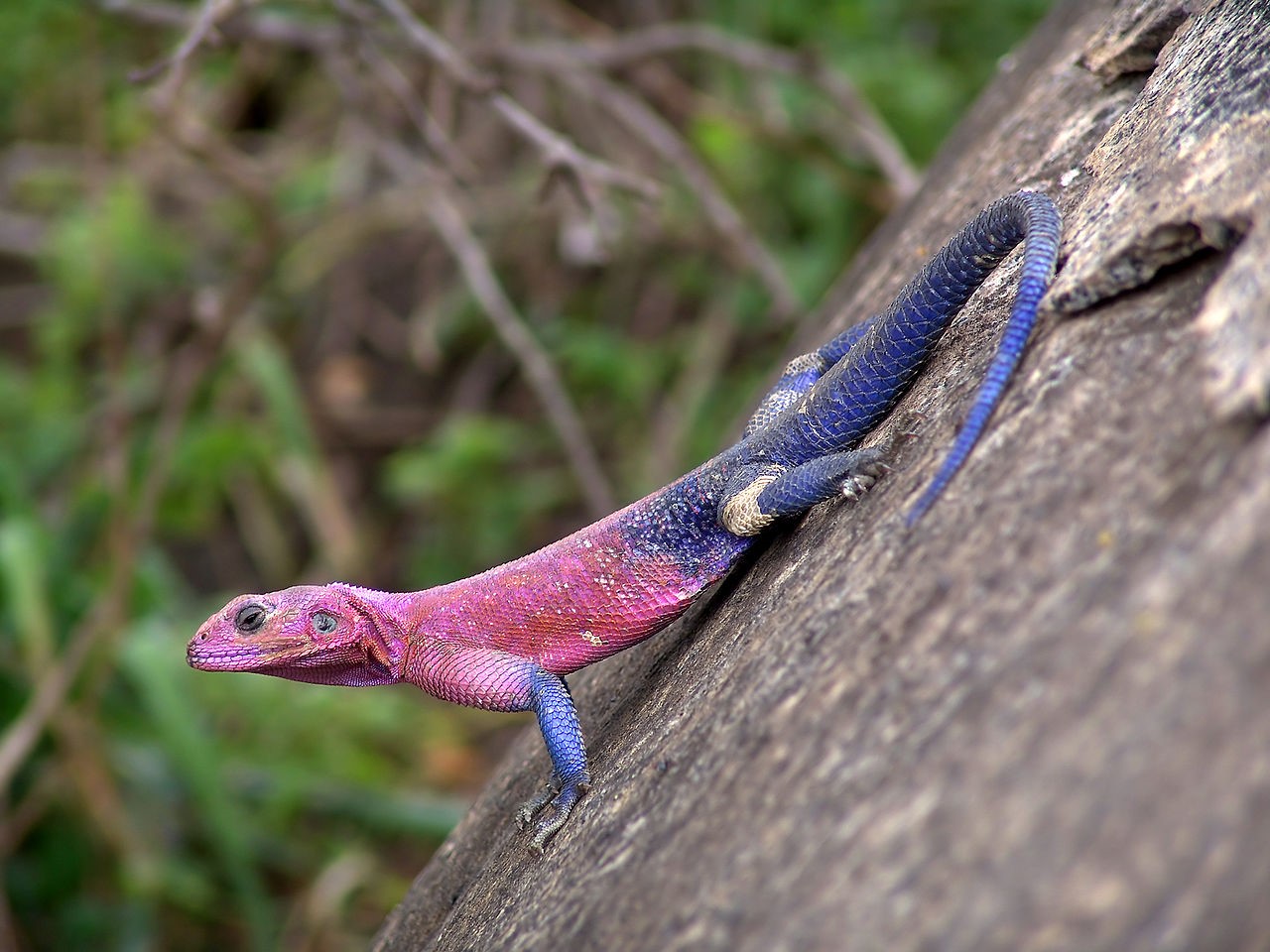
James Hicks is a PhD student in the University of Nottingham currently studying the Malaysian species of agamids lizards and the impacts that human habitat alteration has had on their ecology.
A New Habitat
Across the world, deforestation is one of the most impactful environmental changes that humans have inflicted, reducing the habitats available for many of the world’s most precious species.
The areas razed by these aggressive slash-and-burn tactics employed allows for huge plantations of the economically valuable, environmentally unsustainable rubber and oil palms.
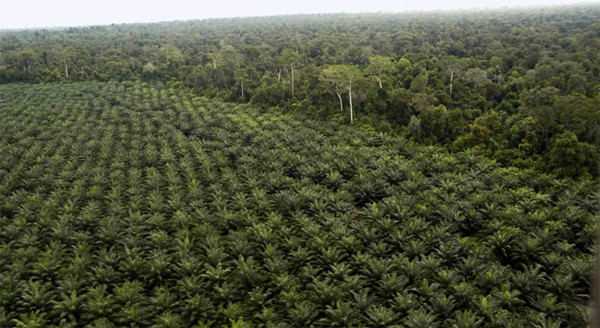
The subsequent monocultures that have taken over an area twice the size of Wales within 12 years since 2000 and their impacts can be devastating on the local plants and animals.
Dragons like it Hot…?
Dragon lizards (of family Agamidae) are found all across the world including Africa, Asia, Australia and some in Mediterranean Europe.
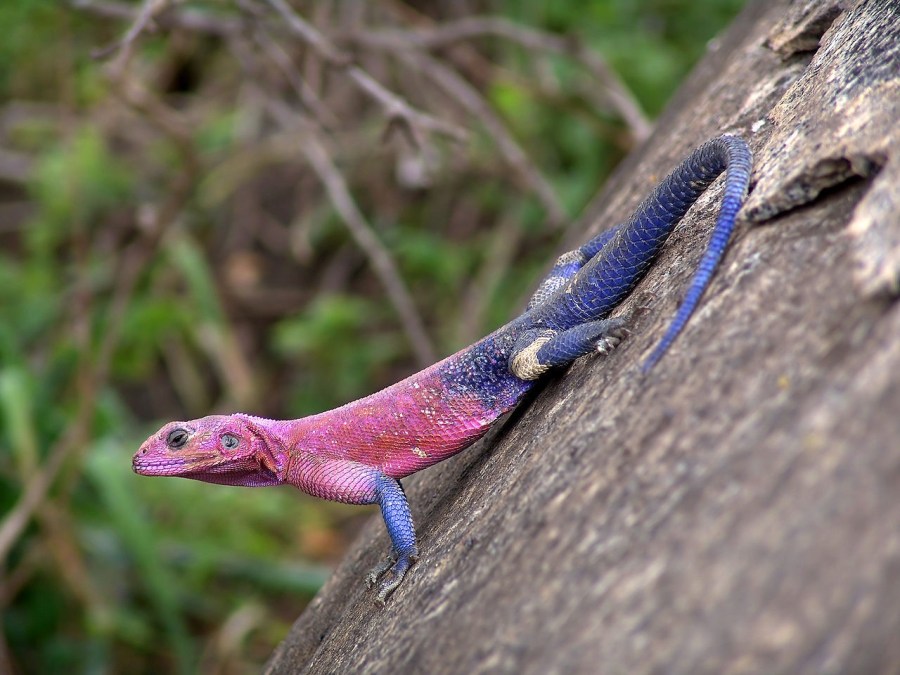
And though most lizards need to bask in the sunshine to warm up and begin moving, the residential agamids of the Malaysian peninsula live in such a warm environment that this behaviour becomes unnecessary.
However, all animals have an upper thermal limit and so the question James addressed was at what point does the environment become unsuitable for these animals.
Humans ruin everything
The thermal differences that the monocultures of rubber and oil bring about is a far cry from the stability and security that pristine forests afford.
The monocultures, though evenly spaced apart, are actually much hotter than the forests that they replaced.
They are also far more variable in their temperature ranges than forests, so it proves that they are no where near as good at supporting the extent of biodiversity, meaning that many species are likely to be lost (not just the reptiles).
The agamids studied will actually be the species that are most likely to benefit from projected climate change, as in the temperatures reached have been nowhere near their upper boundaries.
For this reason it is a distinct possibility that these little lizards could easily become abundant in the local area and outcompete the more species with a much smaller thermal niche.
Thoughts
This talk has really highlighted how much of an impact human activities have on the natural world.
The secondary and tertiary consequences of our actions just serve to underline how dangerous we are to the delicate systems that nature has in place.
The actions that we take to try to reverse these changes will have to consider a vast array of knock-on effects, so it won’t be a simple fix.
The Future
This is a very bleak picture.
Potential study of large primates in their natural surroundings is likely to become increasingly difficult if these practices continue to destabilise the places in which these animals live, and immediate action needs to take place if we are to stop it.
 Patrick's Biology Blog