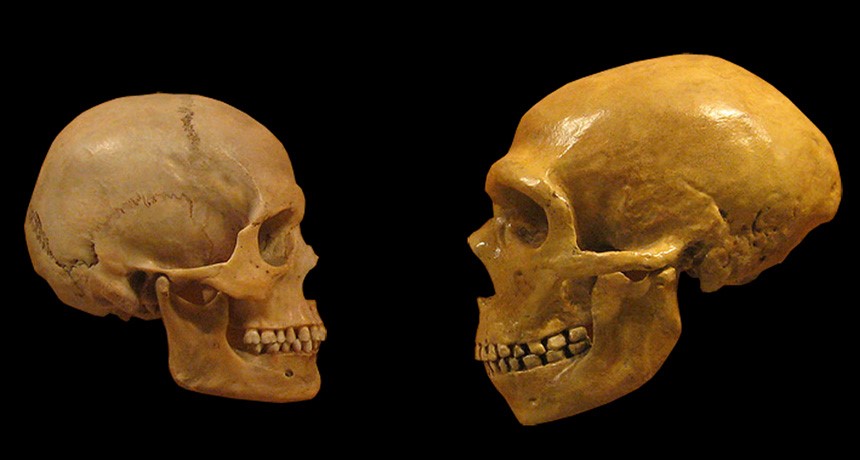
Richard Wrangham is a world renowned British Primatologist, working out of Harvard University. He has written a number of Anthropological books encompassing human behaviour, cooking and violence. My Human Evolutionary Biology course read his latest book ‘The Goodness Paradox’, and we had a discussion via skype regarding the topics raised by the book as well as the writing process.
The Goodness Paradox
The theme that this book covers is human’s remarkable capacity for violence and great evil, while simultaneously being one of the calmest societies of animals the world has ever seen.
Wrangham places the two forms of aggression under two different headings:
- Reactive Aggression: this form entails the raw emotional responses of animals to an immediate stimulus (e.g. lashing out due to extreme anger)
- Proactive Aggression: this one however, is ‘cold’, unemotional, and involves careful planning and execution (e.g. premeditated murder)
In his book, he uses these principals to explain how humans came to live in a society without the comparative levels of aggression in other primates (chimpanzees beat each other daily) but at the same time execute horrific atrocities on one another.
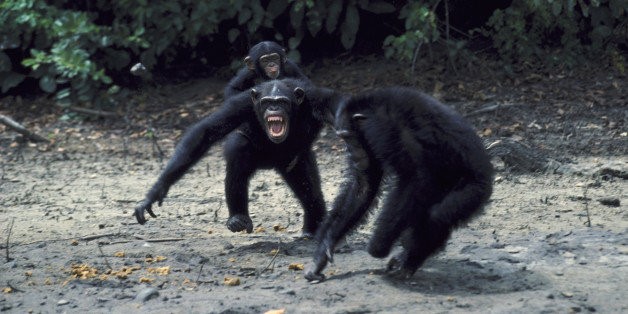
His hypothesis is that capital punishment is the mechanism by which humans have achieved this, gangs of subordinates using planned attacks to execute particularly violent and domineering individuals.
This artificial selection changed our brain structure, allowing greater control over emotion while simultaneously programming in mechanisms to prevent ostracism from the group (blushing to ‘apologise’ when doing something wrong).
These changes led to the domestication syndrome.
The Writing Process
Having spent years developing his theory of homo sapiens self-domestication there were a couple of large scientific findings that threw spanners into his ideas.
Most notably the discovery that homo heidelbergensis and homo neanderthalensis having used language gave him pause for thought as to how they factored into the hypothesis.
There were also cultural changes that threw up unexpected challenges to his work.
Namely recent awareness campaigns surrounding transgender issues have made it increasingly difficult for him to phrase certain aspects of his theory- like describing features as more masculine or feminine.
Thoughts
This was one of the most fascinating books I’ve ever read, and it opened my mind to the possibilities posed to me by the field of anthropology.
It’s an incredibly well developed theory that pulls on fields including study of extant primates, 50 year studies in Siberia and reports from hunter-gatherer tribes the world over.
The Future
This conversation with Wrangham captured my imagination and inspires me to become an anthropologist or primatologist with an eye on evolutionary contexts to primate behaviour.
The book writing aspect of the talk though I am less sold on. Writing has never been a strong suit of mine and to put out a book and potentially have it torn apart by academics is too daunting for me to be intrigued by it.
I would prefer the more practical, hands-on approach with living primates as opposed to the extensive literature reviews involved in authorship.
 Patrick's Biology Blog