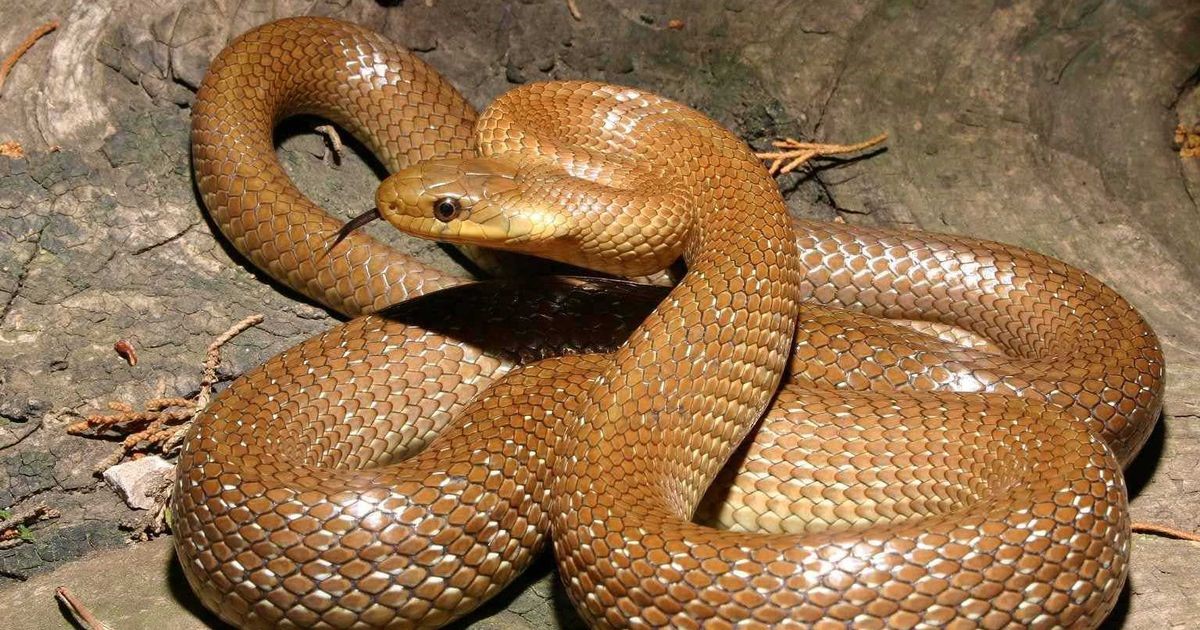
Tom Major is a Bangor University PhD student working with Wolfgang Wüster on aesculapian snakes; particularly using niche modelling, climate modelling, radio telemetry and many other methods to assess how escaped snakes have been able to establish themselves in North Wales.
Destructive Influences
Invasive species can be horribly destructive influences on poorly prepared ecosystems, introducing novel niches of animal to places that have no resilience to their adaptations.
Their damaging effects are the differences that change an ‘’introduced species’’ into an ‘‘invasive’’ one and are not just limited to the top predators disrupting food webs.
Invasive cane toads in Australia have decimated some of the local populations of Goannas, king brown snakes, freshwater crocodiles and the northern quoll as a result of eating and being subsequently poisoned by the cane toad’s toxins.
However, their impacts are rarely solely negative as in the toad’s presence and the predators’ absence, other species populations have rapidly increased.
Snake Escapees
Snakes introduced into Britain therefore need to be studied extensively to assess their potential impact.
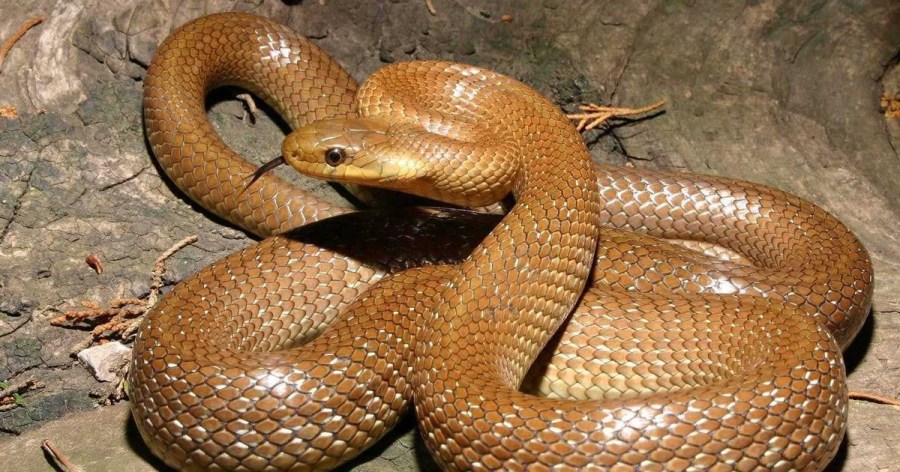
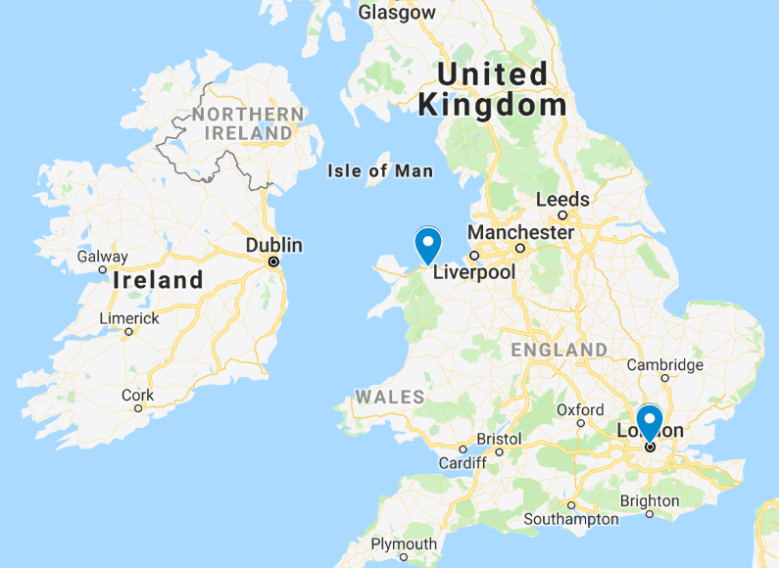
Aesculapian snakes were brought to Britain from Southern Europe, to the Welsh Mountain Zoo in North Wales and the London Zoo along Regent’s Canal.
The Welsh population was introduced in the 1970’s, where it’s thought one pregnant snake escaped the zoo and subsequent inbreeding allowed the population to persist.
Whereas the smaller London population began around 2010, and now subsists on the rats in the area.
To investigate their population dynamics in North Wales they were caught, micro-chipped and photographed to be measured.
Over 89 surveys, 90 snakes were caught, with 63 different individuals being encountered.
Of the 63 living snakes,
- 15 were adults,
- 4 were sub-adults,
- 44 were juveniles
The large numbers of juveniles show the success of the breeding population in North Wales.
9 snakes were found dead,
- 3 due to road accidents,
- 2 with missing eyes
- 1 missing a head and turned inside out.
Missing eyes are indicative of bird attacks and the inside out snake may have been the result of a badger mauling.
Thoughts
These snakes in Britain aren’t a problem…yet.
When compared to other invasive species that have devastated the communities in other countries, these reptiles are little more than a pest.
Granted, very few other species of reptiles were found in the same area as the Welsh snakes, showing that they’re out-competed our own grass snakes and slow worms.
But they aren’t destroying the avian or rodent populations of the area and they don’t possess any harmful poisons to negatively impact the local predators.
Their rampant incest and subsequently restricted gene pools ought to make them vulnerable to changing climes and other potentially devastating factors.
The Future
Snakes in Britain are very rare, and to have multiple populations of ‘feral snakes’ here could potentially be devastating.
This work is therefore vital to continue and this, in addition to potential behaviour studies would present a very interesting local career path.
The snakes’ behaviour- for attributes like boldness- need to be monitored so we can assess potential risks to the public from bites etc. and identify issues that could crop up in future, so we can brace for/ prevent them.
 Patrick's Biology Blog
Hey would you mind letting me know which webhost you’re using?
I’ve loaded your blog in 3 different web browsers and I must say this blog loads a lot faster then most.
Can you recommend a good internet hosting provider at a reasonable price?
Thank you, I appreciate it! I’ve been surfing online more than 2
hours today, yet I never found any interesting article like yours.
It’s pretty worth enough for me. Personally, if all site owners and bloggers made good content as you did, the
web will be much more useful than ever before.
These are in fact impressive ideas in regarding blogging.
You have touched some nice things here. Any way keep up wrinting.
http://foxnews.net
LikeLike